
Emergency Communication :
when radio becomes a lifelines
AMATEUR RADIO IS NOT ONLY A TECHNICAL HOBBY, IT IS ALSO A DISCIPLINE ROOTED IN PUBLIC SERVICE
When conventional communication networks fail or become saturated, radio amateurs can provide autonomous, resilient and rapidly deployable communication links. This capacity has made amateur radio a trusted partner for emergency organisations for decades.
The role of radio amateurs in emergencies
Radio amateurs develop a deep understanding of their equipment, propagation, antennas and field operations. Combined with autonomous power sources and portable stations, this expertise allows them to operate when infrastructure is compromised.
Emergency communication can involve:
- Supporting relief organisations during large public events or crises.
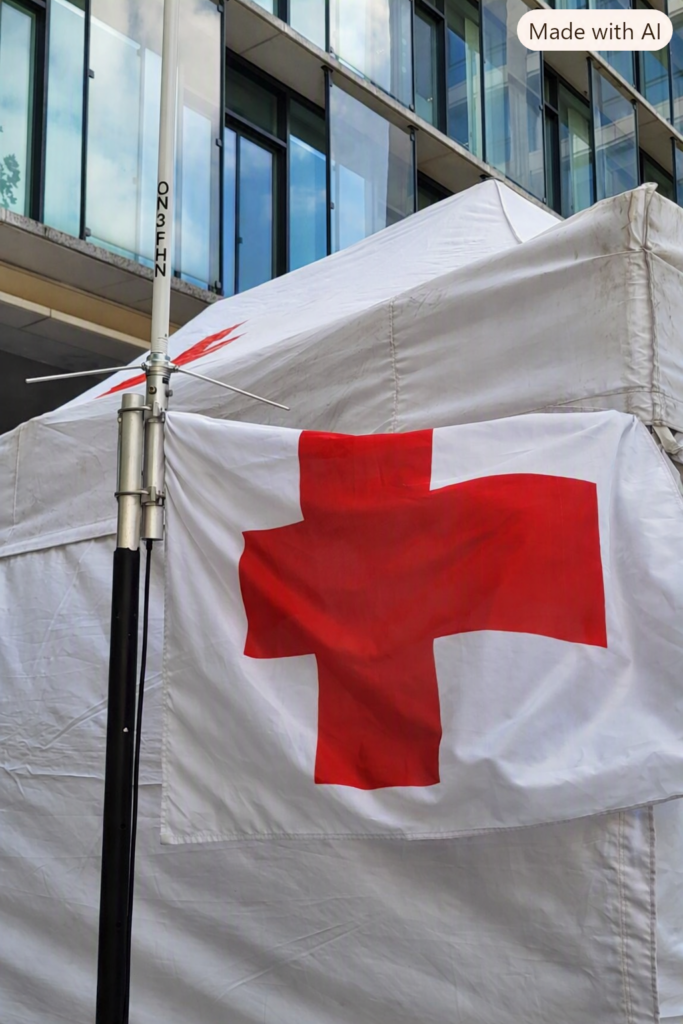
- Deploying autonomous radio stations in areas without connectivity.
- Relaying critical information between field teams and coordination centres.
- Strengthening resilience through redundancy and independent networks.
A tradition of service
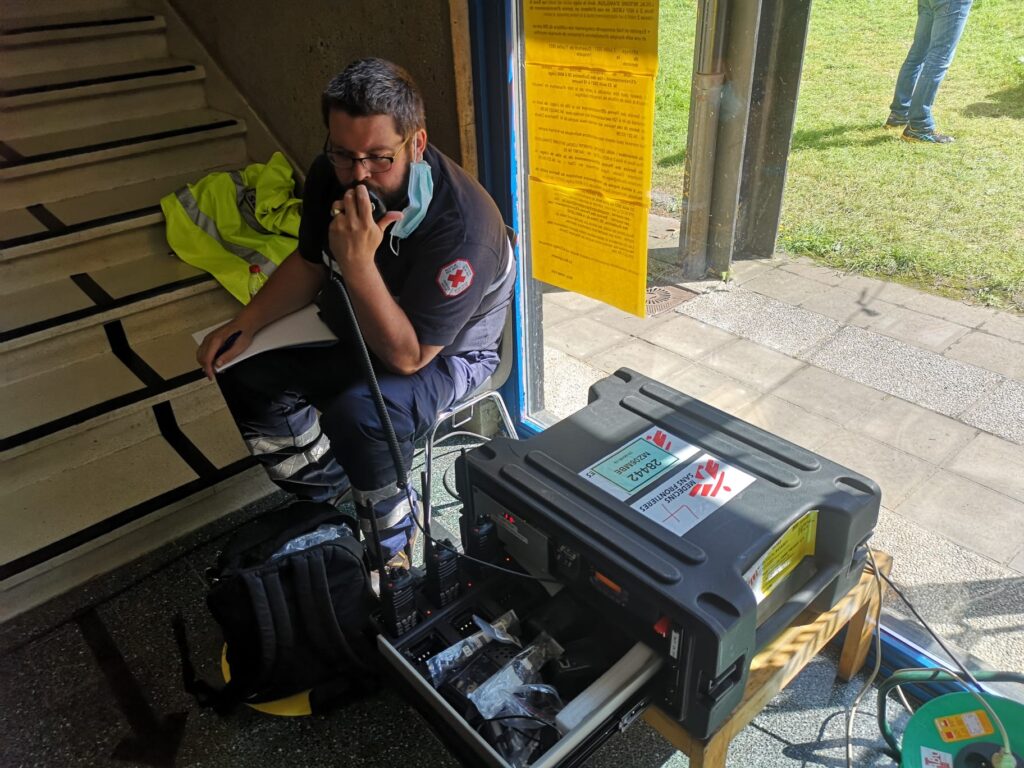
In Belgium, radio amateurs have historically supported emergency operations, notably through the Croix‑Rouge de Belgique (TELECOM) and B‑EARS. Several major events have demonstrated the value of amateur radio networks:
- 1985 — Heysel Stadium disaster
- 1987 — Herald of Free Enterprise tragedy (Zeebrugge)
- 1993–1994 — Meuse valley floods
These interventions illustrate how amateur radio can provide structured, reliable communication when it matters most.
My involvement
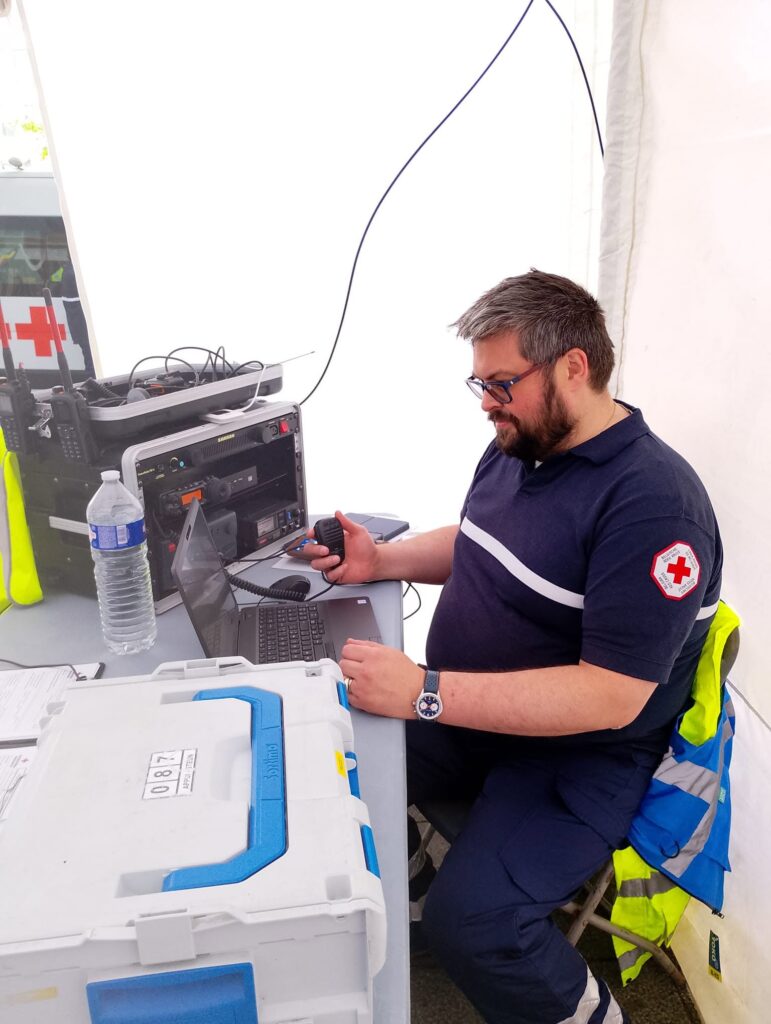
I have been an active member of the Croix‑Rouge TELECOM unit (Bruxelles‑Capitale) since 2014. Although my broader volunteer roles (first aid responder and trainer within the support unit) are not the focus of this page, they naturally complement my understanding of field operations and crisis environments.
My engagement in emergency communication has led me to participate in several real‑world situations, including:
These experiences highlight the human dimension of amateur radio: teamwork, resilience, and the ability to help when communication truly matters.
Structured organisations
Many radio amateurs choose to join organisations that coordinate emergency communication efforts:
These structures provide training, procedures, exercises and operational readiness.
In the quiet after the storm, when certainty fades, a single signal can hold people connected.