
Amateur radio: a technical, demanding and contemporary passion
A PRACTICAL PLAYGROUND FOR SIGNAL PROCESSING, PROTOCOLS AND RESILIENCE
In parallel with my professional work as a freelance software engineer, I am also a licensed amateur radio operator. Often overlooked, amateur radio is much more than a hobby. It is a rich, multifaceted field that combines technical experimentation, learning, innovation, and public service.
What is Amateur Radio?
Amateur radio involves experimenting with, building, listening to and communicating over radio frequencies, outside of any commercial context. Radio amateurs are licensed by the national telecoms authority (in Belgium, the IBPT-BIPT) to operate on dedicated frequency bands for the purpose of personal communication, research, and technical development.
Amateur radio is a broad and multifaceted activity, combining hands‑on experimentation, global communication, and public service. It is both a technical playground and a community‑driven discipline.
Amateur radio is ultimately about curiosity, resilience, and the joy of understanding how signals travel, interact, and connect people across distances.
A Hobby That Aligns with My Profession
My interest in amateur radio complements my career as an engineer with a strong foundation in both software and electronics. In particular, it aligns naturally with my expertise in:
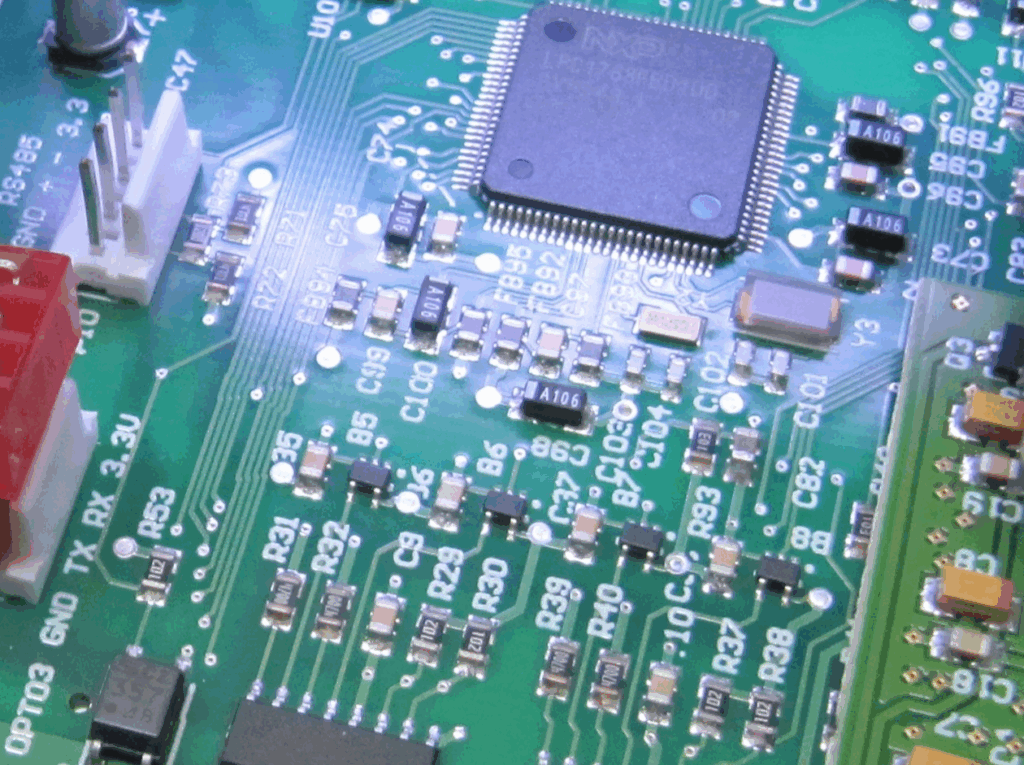
- embedded systems and hardware-software interfacing – developing tools to remotely control radio stations or repeaters via microcontrollers or custom interfaces;
- digital networking and protocols : working with digital radio networks (DMR, APRS, Hamnet) that use specialised protocols often close to embedded or IP-based technologies;
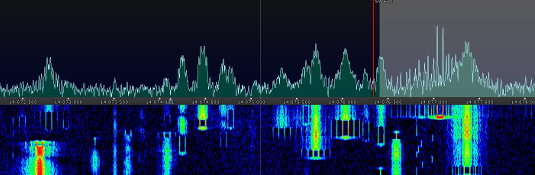
- signal processing : exploring software-defined radio (SDR), automatic decoding, satellite image reception (SSTV), and radio direction finding techniques;
- system resilience and autonomy : experimenting with fully off-grid, fault-tolerant radio communications, including mesh networks and stand-alone analogue/digital repeaters;
- open source and DIY culture : designing and building tools based on free and open technologies, with a strong focus on learning, sharing and documenting.
This hands-on practice feeds directly into my professional work: it sharpens my skills in systems engineering, maintains my technical curiosity, and provides a real-world testing ground for distributed, resilient architectures.
A Space for True Technical Freedom
What makes amateur radio truly unique is the level of autonomy it allows. Unlike abstracted cloud-based environments, this field puts you in direct contact with signals, hardware and protocols, offering deep insights into how systems work (from microcontrollers all the way to antennas). It’s a technically demanding domain, driven by experimentation, continuous learning and peer collaboration on a global scale.
It’s one of the last frontiers where you can build, transmit, analyse and communicate … all from scratch.